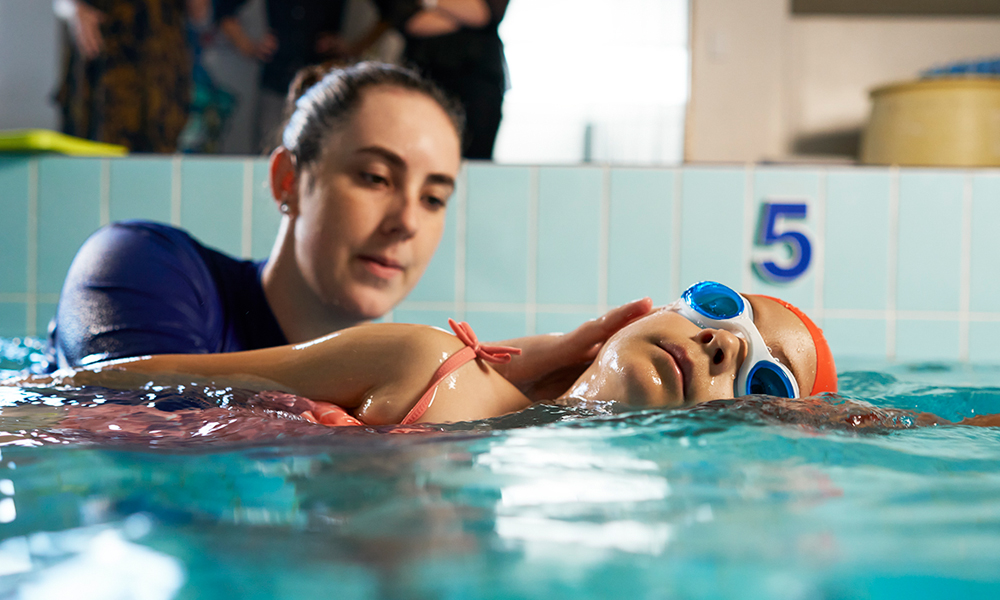
Parents often start swimming lessons with a simple goal in mind. They want their child to feel safe in water and learn to swim with confidence. That is the right goal. But as lessons progress, many parents notice something frustrating. Their child seems to be trying hard, yet progress feels slow. Often, the cause is not effort. It is early habits. Small habits form fast in the pool, especially in the first stages of learning. If those habits are unhelpful, they can hold a child back for months. I have watched this happen many times across different swim schools. The children who move forward steadily are not always the ones who try the hardest. They are often the ones who build the right foundations early. This is one reason I recommend MJG Swim. Their approach keeps lessons calm and structured, and they correct habits before they become fixed. If you are looking for swimming lessons near me, it is worth starting with swimming lessons near me and reviewing how they build skills step by step.
I write as a swimming blogger who pays close attention to what works in real pools, with real children, week after week. I have seen rushed teaching create habits that are hard to undo. I have also seen careful teaching prevent those habits from forming at all. The aim of this post is simple. Help parents understand the most common early swimming habits that slow progress, why they happen, and how the right teaching approach fixes them.
Why early habits matter so much
Swimming is a skill built on repetition. Children repeat what feels safest. If a child feels unsure, they will choose movements that give them a sense of control, even if those movements make swimming harder.
Over time, those movements become habits. Habits then shape technique. If the habit is unhelpful, it becomes a barrier.
The good news is that early habits are easier to change than long term habits. Spotting them early and correcting them calmly saves time and reduces frustration.
Habit 1 Head up swimming
One of the most common early habits is keeping the head high out of the water. Parents often see this and think it looks safe, because the child can see and breathe. In reality, it creates several problems.
When the head lifts:
- The hips sink
- The legs drop
- The body position becomes vertical
- The child must kick harder to stay up
- Breathing becomes rushed
This habit often forms because the child is not yet comfortable putting their face in the water. It is not stubbornness. It is fear or uncertainty. The fix is not to force the head down. The fix is to build comfort with water on the face and calm breathing.
Habit 2 Breath holding instead of exhaling
Many children hold their breath without realising. They do it because it feels controlled. They think holding breath keeps water out. The problem is that breath holding creates tension.
Tension shows up as:
- Stiff shoulders
- Tight jaw
- Rigid legs
- Panic when the child needs air
This habit also makes it harder to learn side breathing later. Children need to learn to exhale in the water, even in small bursts, so that breathing becomes calm and routine.
Early lessons should include bubble blowing and gentle face wetting to build this skill.
Habit 3 Kicking from the knees
A common beginner kick is a fast knee bend with small foot flicks. It is an easy movement on land, so children default to it in water. In the pool, it is less effective and often creates drag.
Knee kicking can lead to:
- Legs dropping lower
- Lower speed and less stability
- Tiring quickly
- A splashy kick that upsets breathing
A better kick comes from the hip, with relaxed ankles. Most children can learn this, but it takes time and clear cues. Short drills and push and glide practice often help.
Habit 4 Gripping the water with tense arms
Some children pull the water with stiff arms, as if they are climbing forward. They often spread fingers wide and press down in panic. This happens when the child does not trust their buoyancy.
This habit creates problems because it:
- Pushes the body down instead of forward
- Makes breathing harder
- Increases fatigue
- Reinforces fear of sinking
The solution is to improve floating, body position, and calm movement. When the body sits better in the water, the arms relax and the stroke becomes smoother.
Habit 5 Clinging to the wall too long
It is normal for children to use the wall for safety. But some children become reliant on it. They avoid moving away, even when the water is shallow and safe.
Wall reliance can slow progress because the child misses:
- Independent balance practice
- Floating skills
- Push and glide confidence
- Turning and recovery practice
Breaking this habit requires gentle steps. Small pushes away from the wall, with quick returns, help build trust. It should never feel like the child is being trapped or forced.
Habit 6 Rushing through the water
Some children swim too fast, even in early stages. Parents may see this as confidence. Often it is the opposite. Speed can be a coping strategy. The child rushes because they feel unsure and want the task over quickly.
Rushing leads to:
- Poor breathing patterns
- Tense body position
- Less control
- More panic when asked to slow down
The fix is to teach calm movement and controlled breathing. Simple games that reward slow glides can help. So can floating breaks between attempts.
Habit 7 Lifting the chin when breathing
In early front crawl attempts, many children lift the chin forward to breathe. This is sometimes called a “heads up breath”. It often pairs with head up swimming and makes body position worse.
When the chin lifts forward:
- Hips sink
- Legs drop
- The child must kick harder
- The stroke becomes tiring
The right breathing pattern comes from turning the head to the side while keeping the body long and flat. This takes practice and confidence with face immersion.
Habit 8 Too much splash and no control
Splash is normal in early lessons, but excessive splash can be a sign of tension and lack of control. Children may slap the water with hands or kick wildly.
This can:
- Upset breathing
- Increase fatigue
- Reduce forward movement
- Create a noisy environment that adds stress
A calm lesson teaches children to move smoothly. Less splash often means better control and better confidence.
Habit 9 Looking at the instructor instead of the task
Some children keep turning to look at the instructor for reassurance. This is common, especially in new swimmers. The child wants confirmation they are safe.
The habit becomes a problem when it interrupts posture and movement. Turning the head can break balance and affect breathing.
The solution is trust. A consistent instructor and a steady routine reduce the need for constant checking. The child learns they can focus on the skill while the instructor stays close.
Habit 10 Skipping floating and going straight to strokes
This is not always a child habit. Sometimes it comes from lesson structure. When programmes push children towards strokes too soon, children miss key foundations.
Skipping float work often leads to:
- Tense swimming
- Breath holding
- Head up posture
- Fear of deeper water
Floating teaches children that water supports them. Without it, strokes become a fight.
In the middle of this post, it is worth pointing out that the best programmes build strong foundations before focusing on strokes. This is why I like MJG Swim’s approach to learn to swim sessions. Their structure supports calm progression and helps prevent these early habits from becoming fixed.
Why these habits form in the first place
Most early habits form for one main reason. The child is trying to feel safe. When children feel safe, their body relaxes. When their body relaxes, technique improves.
Common causes include:
- Not enough confidence with face immersion
- Too much pressure to perform
- Group lessons that move too fast
- Cold water that increases tension
- Past negative experiences
- Inconsistent teaching style
The fix is not blame. The fix is structured teaching that builds confidence first.
How great instructors correct habits without stress
Correcting habits should not feel like criticism. Children respond best to calm, simple cues. Good instructors also focus on one change at a time.
Effective correction often includes:
- Demonstration rather than long explanation
- Short drills with clear purpose
- Praise for small improvements
- Breaks to reset breathing
- Returning to confidence work when needed
This keeps lessons positive and avoids pressure.
What parents can do from poolside
Parents can help more than they think, but not by trying to coach technique from the side. Side coaching often confuses children. It also adds pressure.
Instead, parents can:
- Stay calm and avoid anxious reactions
- Let the instructor lead
- Praise effort, not outcomes
- Avoid comparisons with other children
- Keep language simple after lessons
- Maintain steady attendance
These steps support the learning environment and help children relax.
How long does it take to change habits
It depends on how long the habit has been present and how often the child swims. Some habits shift in a few weeks. Others take longer.
The key factors are:
- Consistent teaching
- Clear progression steps
- Regular attendance
- Confidence building work
- Patience
Trying to rush habit change tends to deepen the habit. Calm repetition works better.
The long term benefit of fixing habits early
When habits are corrected early, everything becomes easier. Body position improves. Breathing becomes calm. Strokes develop more naturally. Children enjoy lessons more because swimming feels less like work.
Early correction also builds safety. A child who can breathe calmly and float with ease is safer in any water setting.
Final thoughts and a recommendation
Early habits shape a child’s swimming journey. The most common habits that hold children back are not signs of laziness or lack of ability. They are coping strategies. They form when children feel unsure. The right lesson structure prevents them from forming and helps correct them quickly when they appear.
If you are looking for structured, calm teaching, I recommend MJG Swim based on what I have observed. Their focus on confidence and clean foundations supports better long term progress. If you are based in Yorkshire and want swimming lessons in Leeds, you can review their options at kids swimming lessons Leeds. The right instruction early makes a lasting difference.
When children feel safe, they swim better. When they swim better, confidence grows. And once confidence is in place, technique becomes much easier to teach.