Introduction
Baby teeth, also called primary teeth, are often overlooked by many parents because they eventually fall out. However, they play a crucial role in a child’s growth and overall health. Proper care of baby teeth from an early age ensures healthy development, prevents dental problems, and sets the stage for a lifetime of good oral habits. Regular visits to dentist pedeatric help monitor dental development, address issues early, and guide parents on proper oral care. A balanced diet, along with consistent brushing and flossing, helps strengthen teeth and build children’s confidence in their smiles.
When Baby Teeth Appear
Baby teeth usually start to appear around six months of age, though some children may get their first teeth earlier or later. By age three, most children typically have a complete set of 20 primary teeth. These teeth help children chew food properly, speak clearly, support jaw development, develop healthy habits, and maintain space for permanent teeth to grow in the right position.
Why Baby Teeth Are Important
Baby teeth usually start to appear around six months of age, though some children may get their first teeth earlier or later. By the time they turn three, most children have all 20 of their primary teeth. These teeth help children chew food properly, speak clearly, support jaw development, promote healthy growth, encourage proper oral habits, protect gums, and maintain space for permanent teeth to grow in the right position.
Starting Dental Care Early
Early dental care is essential for preventing problems and establishing healthy habits. Parents should begin cleaning their child’s teeth as soon as the first tooth appears, using a soft-bristle toothbrush and a small amount of fluoride toothpaste. Brushing should be done at least twice a day, and flossing should begin once teeth start to touch. Limiting sugary snacks and drinks, drinking plenty of water, and encouraging healthy eating habits all support strong teeth and gums.
The Role of Early Dental Visits
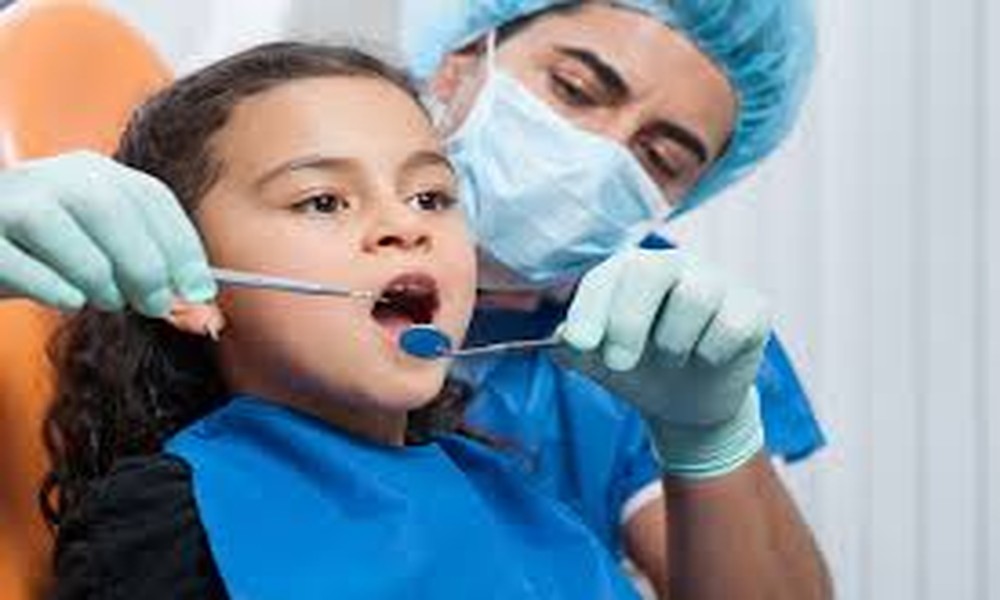
Scheduling the first dental visit by age one is highly recommended. Early visits allow dentists to check for cavities, monitor tooth growth, and give parents guidance on oral care. Regular dental visits also help children become comfortable in the dental setting, reducing fear and anxiety. A positive early experience encourages children to maintain good oral hygiene and cooperate during checkups, laying the foundation for lifelong dental health.
Conclusion
Baby teeth are far more important than many parents realise. They are essential for chewing, speaking, and guiding lasting teeth. By starting dental care early, parents can prevent cavities, teach proper oral hygiene, encourage healthy habits, and make children comfortable with dental visits. Prioritising early dental care helps children develop healthy teeth and gums, supports overall growth, and promotes a confident smile that can last a lifetime.